Expert Bridal Alterations for Perfect Wedding Day Looks
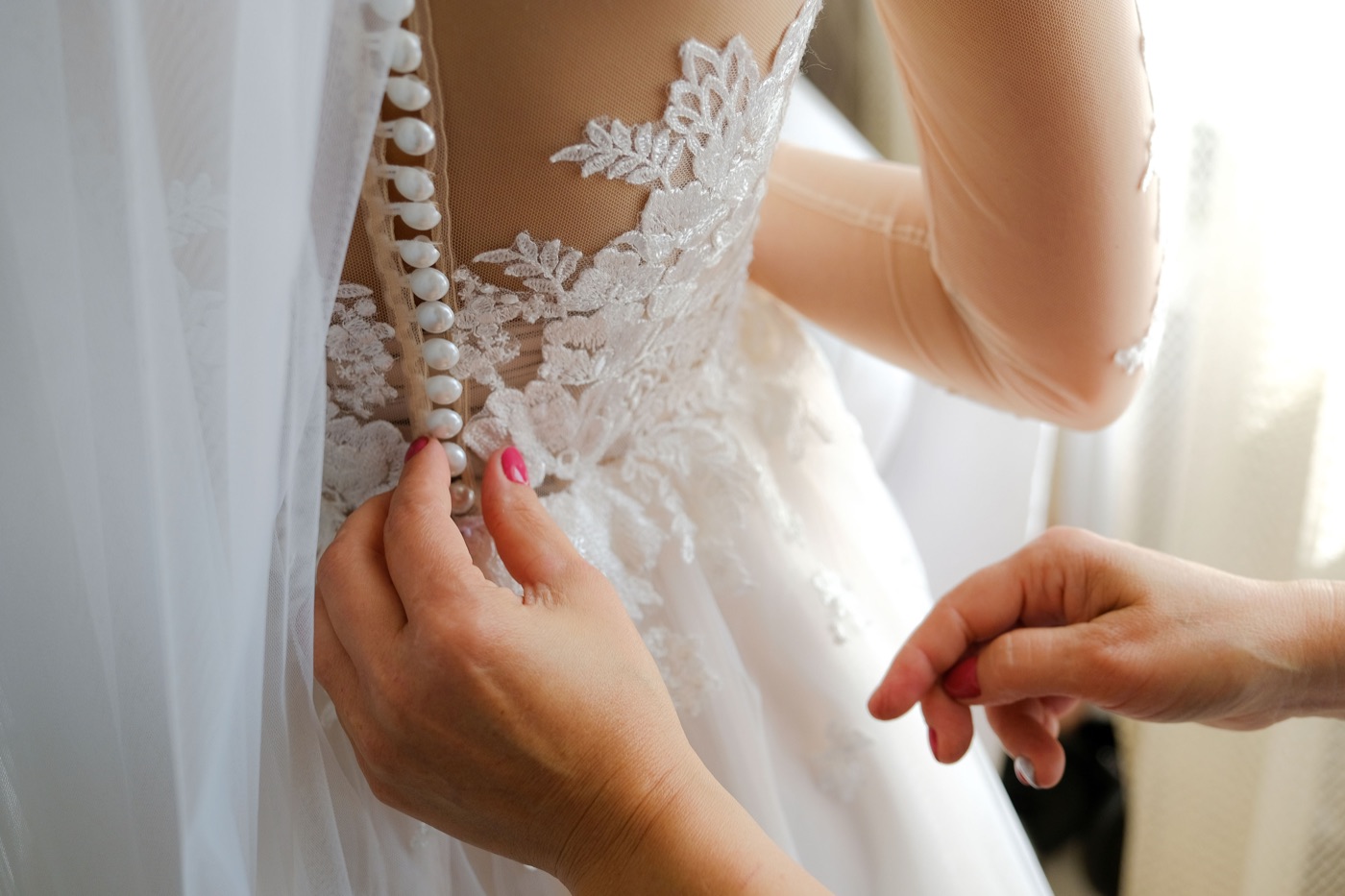
Every bride dreams of looking stunning on her wedding day. The dress is often the centerpiece of that vision. However, even the most beautiful gown may need some adjustments to ensure it fits perfectly. This is where expert bridal alterations come into play. In this post, we explore the importance of bridal alterations, the process involved, and tips for finding the right tailor.
Why Bridal Alterations Matter
Bridal alterations are essential for several reasons. First and foremost, a well-fitted dress enhances your overall appearance — a gown that fits perfectly can boost your confidence and make you feel beautiful. Alterations can also transform a dress that wasn’t quite the right fit into something that feels custom-made, which is especially important for brides who purchased their gown off the rack. And they can accommodate any changes in your body leading up to the wedding, whether weight loss or gain.
The Alteration Process
- Initial Consultation: Discuss your vision and bring accessories such as shoes or undergarments so the tailor understands how the dress should fit.
- Fitting Sessions: One or more sessions where the tailor pins the dress to mark adjustments — a crucial step to preview the changes.
- Final Adjustments: A final fitting to ensure everything is perfect; voice any concerns or request further tweaks.
- Pick-Up: Try the dress on one last time before the big day for total peace of mind.
Common Alterations for Bridal Gowns
- Hemming: Adjusting the length to match your height and shoes — one of the most common alterations.
- Taking in or letting out: Adjusting the sides for a snug, comfortable fit.
- Adjusting the neckline: Modifying the style to suit your preference.
- Adding or removing sleeves: Creating the exact look you envision.
- Bustle: Adding a bustle so a train can be lifted for easier movement during the reception.
Tips for Finding the Right Tailor
- Research: Look for local tailors who specialize in bridal alterations, and read reviews and testimonials.
- Ask for recommendations: A friend or family member’s great experience is worth considering.
- Schedule consultations: Meet in person and notice how well they listen to your ideas.
- Check their portfolio: Ask to see examples of previous bridal alterations.
- Discuss pricing: Understand the costs and what’s included before committing.
The Importance of Timing
Timing is everything. Aim to begin alterations at least two to three months before your wedding, plan for at least two fittings, and schedule your final fitting about one to two weeks before the wedding to allow for any last-minute adjustments.
What to Bring to Your Fitting
- Your wedding shoes: Their height affects the length of the dress.
- Undergarments: Including any shapewear or special bras you plan to wear.
- Accessories: A veil, jewelry, or other pieces help the tailor see the complete look.
Managing Expectations
While alterations can work wonders, keep a few things in mind: not all dresses can be fully transformed — some have design limitations a skilled tailor will explain. Be open to suggestions that enhance the dress in ways you hadn’t considered, and understand that alterations take time, so be patient and trust the process.
A Perfect Fit for Your Perfect Day
Your wedding day is one of the most important days of your life, and ensuring your dress fits perfectly is a key part of that experience. By understanding the alteration process, finding the right tailor, and managing your expectations, you can achieve the look you’ve always dreamed of. The goal is to feel comfortable and confident as you walk down the aisle — and with the right alterations, you can make that dream a reality.